2025.09.28

黑马点评开发日志Day07—附近商铺、用户签到、UV统计

一、附近商铺

1.1 GEO数据机构的基本用法

  • GEO就是Geolocation的简写形式,代表地理坐标。Redis在3.2版本中加入了对GEO的支持,允许存储地理坐标信息,帮助我们根据经纬度来检索数据。常见的命令有:
    • GEOADD:添加一个地理空间信息,包含:经度(longitude)、纬度(latitude)、值(member)
    • GEODIST:计算指定的两个点之间的距离并返回
    • GEOHASH:将指定member的坐标转为hash字符串形式并返回
    • GEOPOS:返回指定member的坐标
    • GEORADIUS:指定圆心、半径,找到该圆内包含的所有member,并按照与圆心之间的距离排序后返回。6.2以后已废弃
    • GEOSEARCH:在指定范围内搜索member,并按照与指定点之间的距离排序后返回。范围可以是圆形或矩形。6.2.新功能
    • GEOSEARCHSTORE:与GEOSEARCH功能一致,不过可以把结果存储到一个指定的key。 6.2.新功能

1.2 练习Redis的GEO命令

  • 需求:

    • 添加下面几条数据:
      • 北京南站( 116.378248 39.865275 )
      • 北京站( 116.42803 39.903738 )
      • 北京西站( 116.322287 39.893729 )
    • 计算北京西站到北京站的距离
    • 搜索天安门( 116.397904 39.909005 )附近10km内的所有火车站,并按照距离升序排序
  • 代码

1
2
3
4
5
6
7
8
# 添加数据
GEOADD g1 116.378248 39.865275 bjn 116.42803 39.903738 bjz 116.322287 39.893729 bjx

# 计算距离
GEODIST g1 bjx bjz km

# 搜索附近10km内的所有火车站
GEOSEARCH g1 FROMLONLAT 116.397904 39.909005 BYRADIUS 10 km ASC WITHDIST

1.3 附近商户搜索

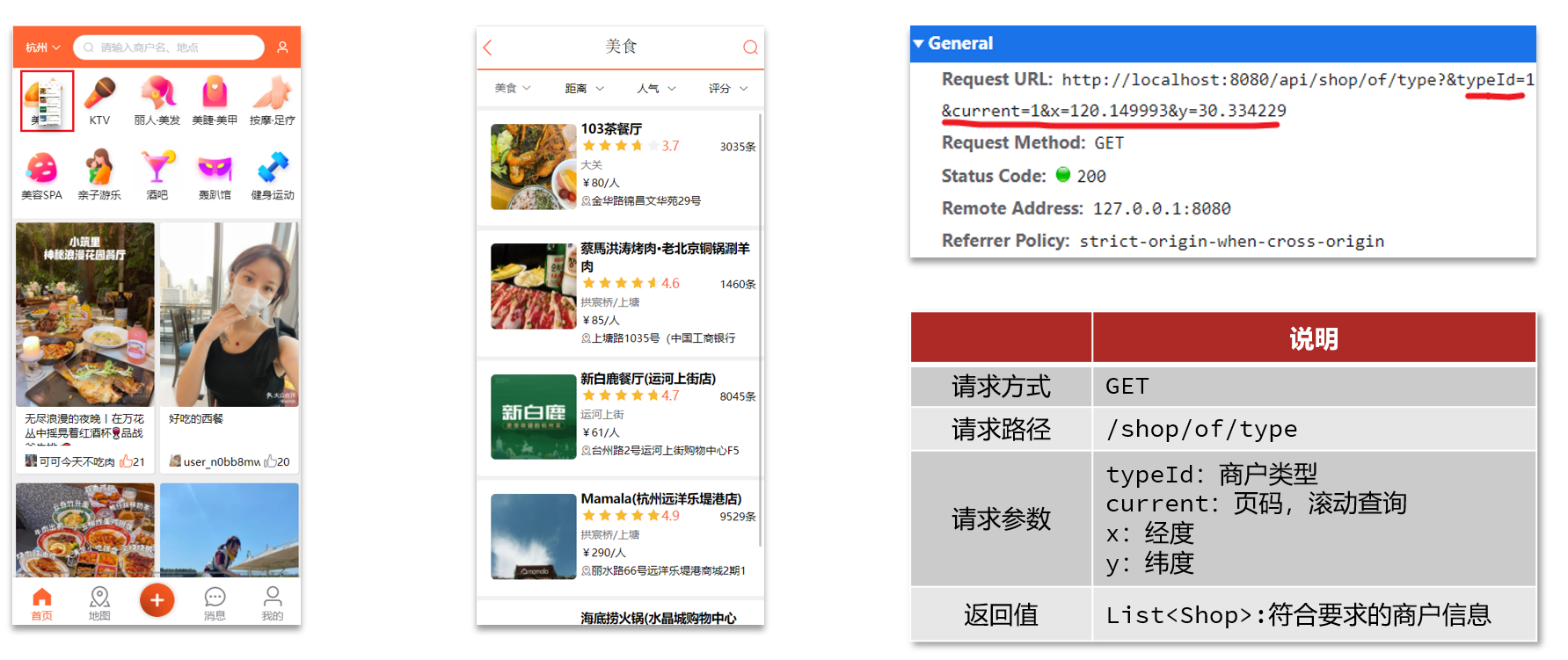
  • 在首页中点击某个频道,即可看到频道下的商户:
    附近商户搜索页面原型
  • 按照商户类型做分组,类型相同的商户作为同一组,以typeId为key存入同一个GEO集合中即可
    商户类型分组

1.4 批量导入商户数据到Redis

1
2
3
4
5
6
7
8
9
10
11
12
13
14
15
16
17
18
19
20
21
22
23
24
25
@Test
void loadShopData() {
// 1. 查询店铺信息
List<Shop> list = shopService.list();
// 2. 把店铺按照typeId分组,id一致的放到一个集合
Map<Long, List<Shop>> map = list.stream()
.collect(Collectors.groupingBy(Shop::getTypeId));
// 3. 分批写入Redis
for (Map.Entry<Long, List<Shop>> entry : map.entrySet()) {
// 3.1 获取类型id
Long typeId = entry.getKey();
String key = "shop:geo:" + typeId;
// 3.2 获取同类型的店铺的集合
List<Shop> value = entry.getValue();
List<RedisGeoCommands.GeoLocation<String>> locations = new ArrayList<>(value.size());
// 3.3 写入redis GEOADD key 经度 纬度 member
for (Shop shop : value) {
// stringRedisTemplate.opsForGeo().add(key, new Point(shop.getX(), shop.getY()), shop.getId().toString());
locations.add(new RedisGeoCommands.GeoLocation<>(
shop.getId().toString(),
new Point(shop.getX(), shop.getY())));
}
stringRedisTemplate.opsForGeo().add(key, locations);
}
}

1.5 实现附近商户查询功能

1.5.1 ShopController

1
2
3
4
5
6
7
8
9
10
11
12
13
14
15
16
17
18
19
20
21
22
23
@RestController
@RequestMapping("/shop")
public class ShopController {

@Resource
public IShopService shopService;

/**
* 根据商铺类型分页查询商铺信息
* @param typeId 商铺类型
* @param current 页码
* @return 商铺列表
*/
@GetMapping("/of/type")
public Result queryShopByType(
@RequestParam("typeId") Integer typeId,
@RequestParam(value = "current", defaultValue = "1") Integer current,
@RequestParam(value = "x", required = false) Double x,
@RequestParam(value = "y", required = false) Double y
) {
return shopService.queryShopByType(typeId, current, x, y);
}
}

1.5.2 IShopService

1
2
3
4
public interface IShopService extends IService<Shop> {

Result queryShopByType(Integer typeId, Integer current, Double x, Double y);
}

1.5.3 ShopServiceImpl

1
2
3
4
5
6
7
8
9
10
11
12
13
14
15
16
17
18
19
20
21
22
23
24
25
26
27
28
29
30
31
32
33
34
35
36
37
38
39
40
41
42
43
44
45
46
47
48
49
50
51
52
53
54
55
56
57
58
59
60
61
62
63
64
@Service
public class ShopServiceImpl extends ServiceImpl<ShopMapper, Shop> implements IShopService {

@Resource
private StringRedisTemplate stringRedisTemplate;

@Resource
private CacheClient cacheClient;

@Override
public Result queryShopByType(Integer typeId, Integer current, Double x, Double y) {
// 1. 判断是否根据坐标查询
if (x == null || y == null) {
// 不需要坐标查询
Page<Shop> page = query()
.eq("type_id", typeId)
.page(new Page<>(current, SystemConstants.DEFAULT_PAGE_SIZE));
// 返回数据
return Result.ok(page.getRecords());
}
// 2. 计算分页参数
int from = (current - 1) * SystemConstants.DEFAULT_PAGE_SIZE;
int end = current * SystemConstants.DEFAULT_PAGE_SIZE;
// 3. 查询redis,按照距离排序、分页 结果:shopId、distance
String key = SHOP_GEO_KEY + typeId;
GeoResults<RedisGeoCommands.GeoLocation<String>> results = stringRedisTemplate
.opsForGeo()
.search(
key,
GeoReference.fromCoordinate(x, y),
new Distance(5000),
RedisGeoCommands.GeoRadiusCommandArgs.newGeoRadiusArgs().includeDistance().limit(end)
);
// 4. 解析出id
if (results == null) {
return Result.ok(Collections.emptyList());
}
List<GeoResult<RedisGeoCommands.GeoLocation<String>>> list = results.getContent();
if (list.size() <= from) {
// 没有下一页了
return Result.ok(Collections.emptyList());
}
// 4.1 截取从from到end
List<Long> ids = new ArrayList<>(list.size());
Map<String, Distance> distanceMap = new HashMap<>(list.size());
list.stream().skip(from).forEach(result -> {
// 4.2 获取店铺id
String shopIdStr = result.getContent().getName();
ids.add(Long.parseLong(shopIdStr));
// 4.3 获取距离
Distance distance = result.getDistance();
distanceMap.put(shopIdStr, distance);
});
// 5. 根据id查询Shop
String idStr = StrUtil.join(",", ids);
List<Shop> shops = query().in("id", ids).last("ORDER BY FIELD(id," + idStr + ")").list();
for (Shop shop : shops) {
shop.setDistance(distanceMap.get(shop.getId().toString()).getValue());
}
// 6. 返回
return Result.ok(shops);

}
}

二、用户签到

2.1 BitMap用法

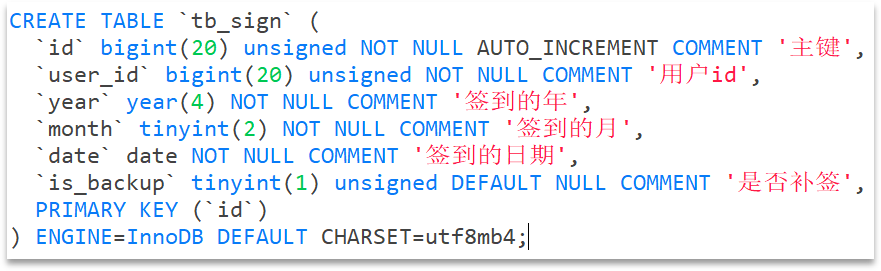
  • 假如我们用一张表来存储用户签到信息,其结构应该如下:
    用户签到表结构

    • 假如有1000万用户,平均每人每年签到次数为10次,则这张表一年的数据量为 1亿条
    • 每签到一次需要使用(8 + 8 + 1 + 1 + 3 + 1)共22 字节的内存,一个月则最多需要600多字节
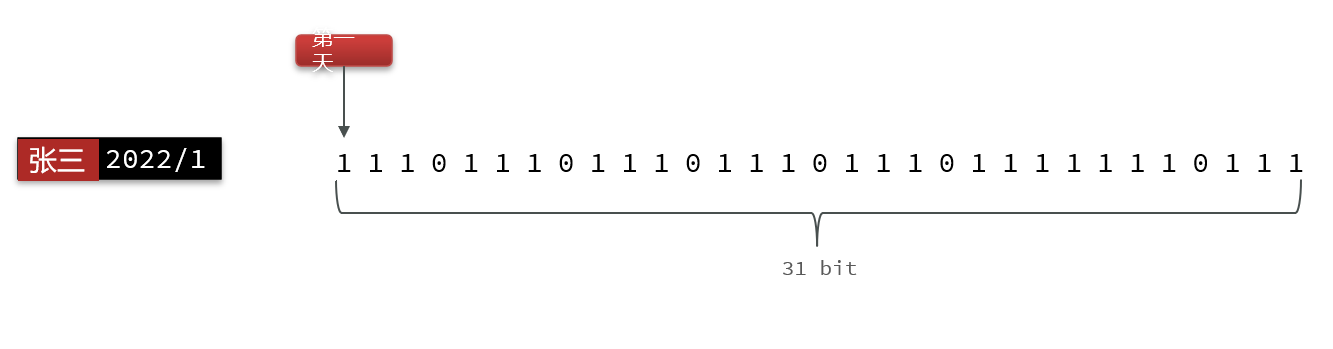
  • 我们按月来统计用户签到信息,签到记录为1,未签到则记录为0

  • 把每一个bit位对应当月的每一天,形成了映射关系。用0和1标示业务状态,这种思路就称为位图(BitMap)。

  • Redis中是利用string类型数据结构实现BitMap,因此最大上限是512M,转换为bit则是 2^32个bit位。

  • BitMap的操作命令有:

    • SETBIT:向指定位置(offset)存入一个0或1
    • GETBIT :获取指定位置(offset)的bit值
    • BITCOUNT :统计BitMap中值为1的bit位的数量
    • BITFIELD :操作(查询、修改、自增)BitMap中bit数组中的指定位置(offset)的值
    • BITFIELD_RO :获取BitMap中bit数组,并以十进制形式返回
    • BITOP :将多个BitMap的结果做位运算(与 、或、异或)
    • BITPOS :查找bit数组中指定范围内第一个0或1出现的位置

2.2 签到功能

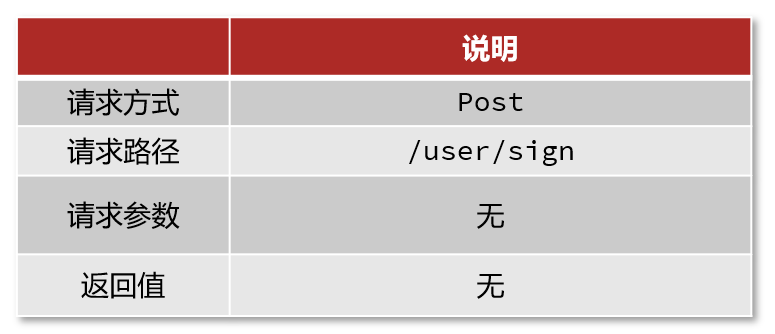
  • 需求:实现签到接口,将当前用户当天签到信息保存到Redis中
    签到接口设计
  • 提示:因为BitMap底层是基于String数据结构,因此其操作也都封装在字符串相关操作中了
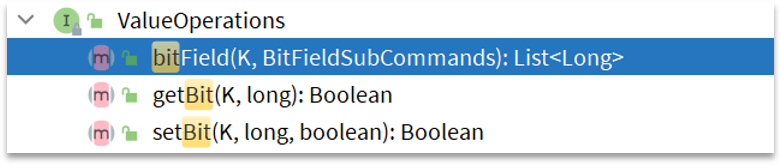
    BitMap底层是基于String数据结构

2.2.1 UserController

1
2
3
4
5
6
7
8
9
10
11
12
13
14
15
16
@Slf4j
@RestController
@RequestMapping("/user")
public class UserController {

@Resource
private IUserService userService;

@Resource
private IUserInfoService userInfoService;

@PostMapping("/sign")
public Result sign() {
return userService.sign();
}
}

2.2.2 IUserService

1
2
3
4
public interface IUserService extends IService<User> {

Result sign();
}

2.2.3 UserServiceImpl

1
2
3
4
5
6
7
8
9
10
11
12
13
14
15
16
17
18
19
20
21
22
23
24
@Slf4j
@Service
public class UserServiceImpl extends ServiceImpl<UserMapper, User> implements IUserService {


@Resource
private StringRedisTemplate stringRedisTemplate;

@Override
public Result sign() {
// 1. 获取当前用户信息
Long userId = UserHolder.getUser().getId();
// 2. 获取日期信息
LocalDateTime now = LocalDateTime.now();
// 3. 拼接key
String key = USER_SIGN_KEY + userId + now.format(DateTimeFormatter.ofPattern(":yyyyMM"));
// 4. 获取今天是本月的第几天
int dayOfMonth = now.getDayOfMonth();
// 5. 写入redis SETBIT key offset 1
stringRedisTemplate.opsForValue().setBit(key, dayOfMonth - 1, true);
return Result.ok();
}

}

2.3 统计连续签到天数

  • 问题1:什么叫做连续签到天数?

    • 从最后一次签到开始向前统计,直到遇到第一次未签到为止,计算总的签到次数,就是连续签到天数。
  • 问题2:如何得到本月到今天为止的所有签到数据?

    • BITFIELD key GET u[dayOfMonth] 0
  • 问题3:如何从后向前遍历每个bit位?

    • 与 1 做与运算,就能得到最后一个bit位。
    • 随后右移1位,下一个bit位就成为了最后一个bit位。
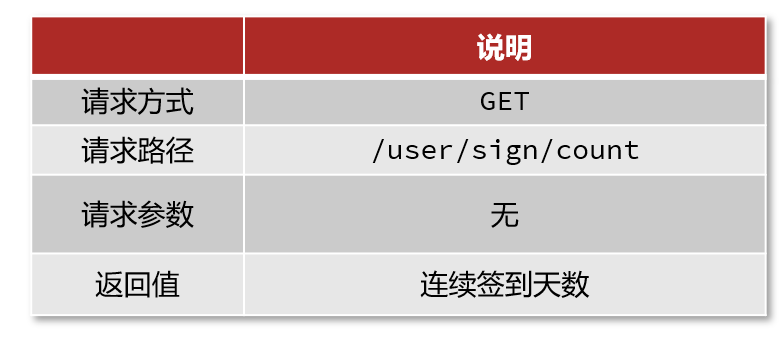
  • 需求:实现下面接口,统计当前用户截止当前时间在本月的连续签到天数
    统计连续签到天数接口设计

2.3.1 UserController

1
2
3
4
5
6
7
8
9
10
11
12
13
14
15
16
@Slf4j
@RestController
@RequestMapping("/user")
public class UserController {

@Resource
private IUserService userService;

@Resource
private IUserInfoService userInfoService;

@GetMapping("/sign/count")
public Result signCount() {
return userService.signCount();
}
}

2.3.2 IUserService

1
2
3
4
public interface IUserService extends IService<User> {

Result signCount();
}

2.3.3 UserServiceImpl

1
2
3
4
5
6
7
8
9
10
11
12
13
14
15
16
17
18
19
20
21
22
23
24
25
26
27
28
29
30
31
32
33
34
35
36
37
38
39
40
41
42
43
44
45
46
47
48
49
50
51
52
53
@Slf4j
@Service
public class UserServiceImpl extends ServiceImpl<UserMapper, User> implements IUserService {


@Resource
private StringRedisTemplate stringRedisTemplate;

@Override
public Result signCount() {
// 1. 获取本月截止今天为止的所有签到记录
// 1.1 获取当前用户信息
Long userId = UserHolder.getUser().getId();
// 1.2 获取日期信息
LocalDateTime now = LocalDateTime.now();
// 1.3 拼接key
String key = USER_SIGN_KEY + userId + now.format(DateTimeFormatter.ofPattern(":yyyyMM"));
// 1.4 获取今天是本月的第几天
int dayOfMonth = now.getDayOfMonth();

// 2. 获取本月截止今天为止的所有签到记录,返回的是一个十进制数字
List<Long> result = stringRedisTemplate.opsForValue().bitField(
key,
BitFieldSubCommands
.create()
.get(BitFieldSubCommands.BitFieldType.unsigned(dayOfMonth)).valueAt(0)
);
if (result == null || result.isEmpty()) {
return Result.ok(0);
}
Long num = result.get(0);
if (num == 0 || num == null) {
return Result.ok(0);
}
// 3. 循环遍历
int count = 0;
while (true) {
// 3.1 让该数字与1做与运算,得到数字的最后一个bit位 // 3.2 判断是否为0
if ((num & 1) == 0) {
// 3.3 为0,说明未签到,结束
break;
}else {
// 3.4 不为0,说明已签到,计数器+1
count++;
}
// 3.5 把数字右移一位,抛弃最后一个bit位,继续下一个bit位
num >>>= 1;
}

return Result.ok(count);
}

}

三、UV统计

3.1 HyperLogLog用法

  • 首先我们搞懂两个概念:

    • UV:全称Unique Visitor,也叫独立访客量,是指通过互联网访问、浏览这个网页的自然人。1天内同一个用户多次访问该网站,只记录1次。
    • PV:全称Page View,也叫页面访问量或点击量,用户每访问网站的一个页面,记录1次PV,用户多次打开页面,则记录多次PV。往往用来衡量网站的流量。
  • UV统计在服务端做会比较麻烦,因为要判断该用户是否已经统计过了,需要将统计过的用户信息保存。但是如果每个访问的用户都保存到Redis中,数据量会非常恐怖。

  • Hyperloglog(HLL)是从Loglog算法派生的概率算法,用于确定非常大的集合的基数,而不需要存储其所有值。相关算法原理大家可以参考:https://juejin.cn/post/6844903785744056333#heading-0

  • Redis中的HLL是基于string结构实现的,单个HLL的内存永远小于16kb,内存占用低的令人发指!作为代价,其测量结果是概率性的,有小于0.81%的误差。不过对于UV统计来说,这完全可以忽略。

  • HyperLogLog的常用命令有:

    • PFADD key element [element …]:将一个或多个元素添加到HyperLogLog中
    • PFCOUNT key [key …]:返回给定HyperLogLog的基数估算值
    • PFMERGE destkey sourcekey [sourcekey …]:将多个HyperLogLog合并为一个